Applications
Key Products & Systems
Purpose-built systems for your application
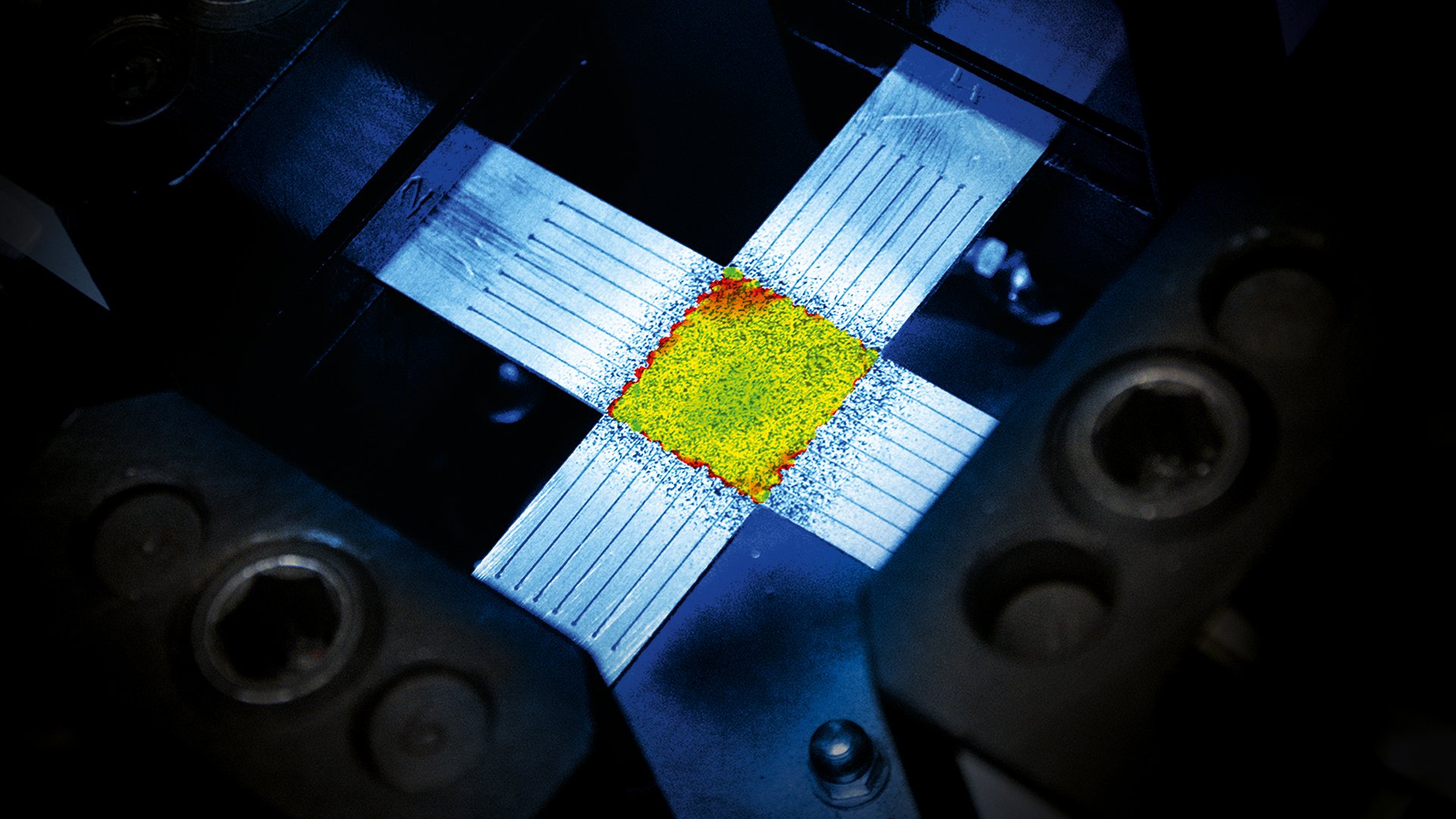
Measure strain and movement across an entire surface—without contact.
ZEISS ARAMIS Optical Strain
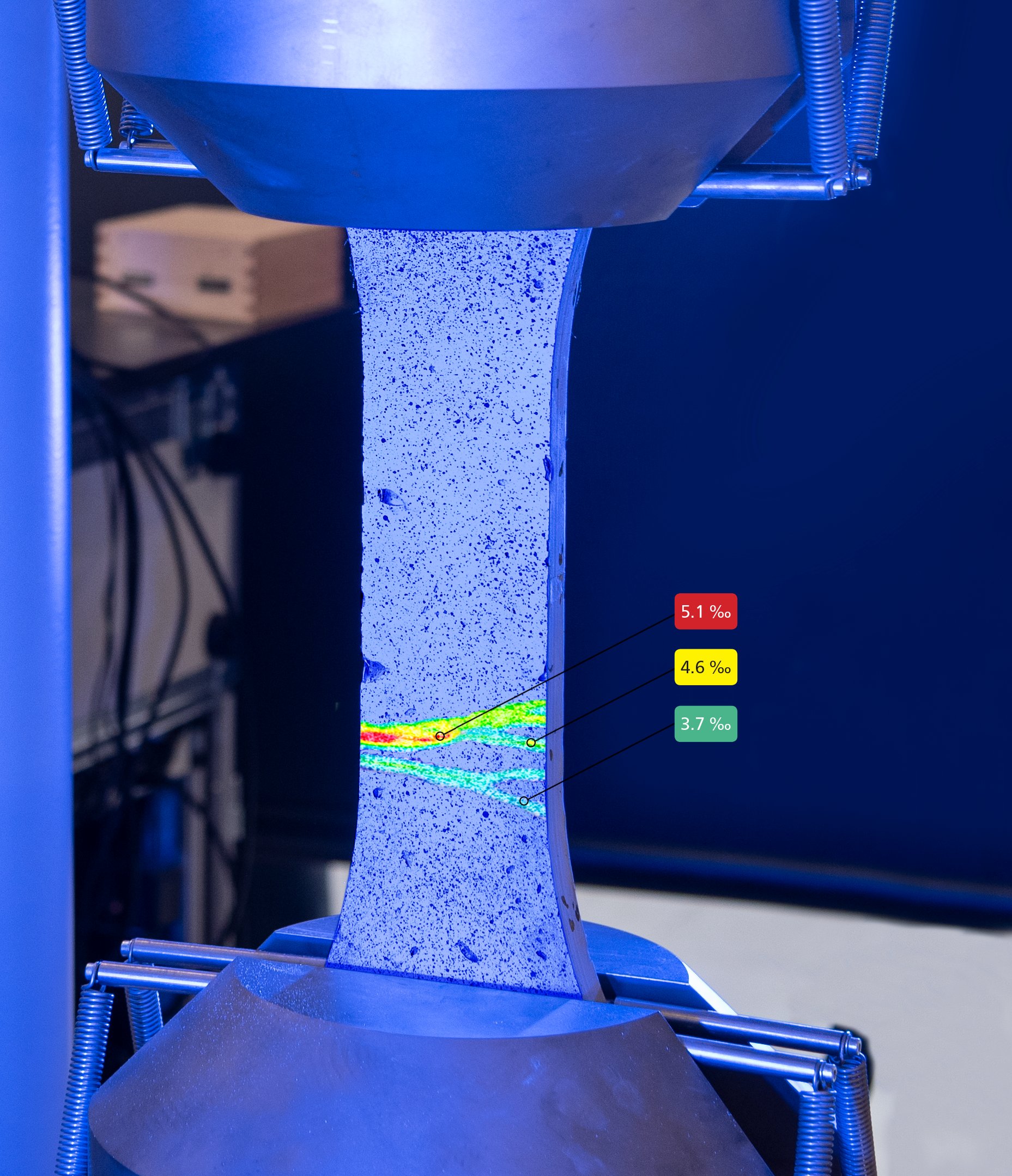
ZEISS ARAMIS Optical Strain uses camera-based Digital Image Correlation (DIC) to measure full-field 3D strain, displacement, and deformation without contact, from material coupons to full-scale structures.
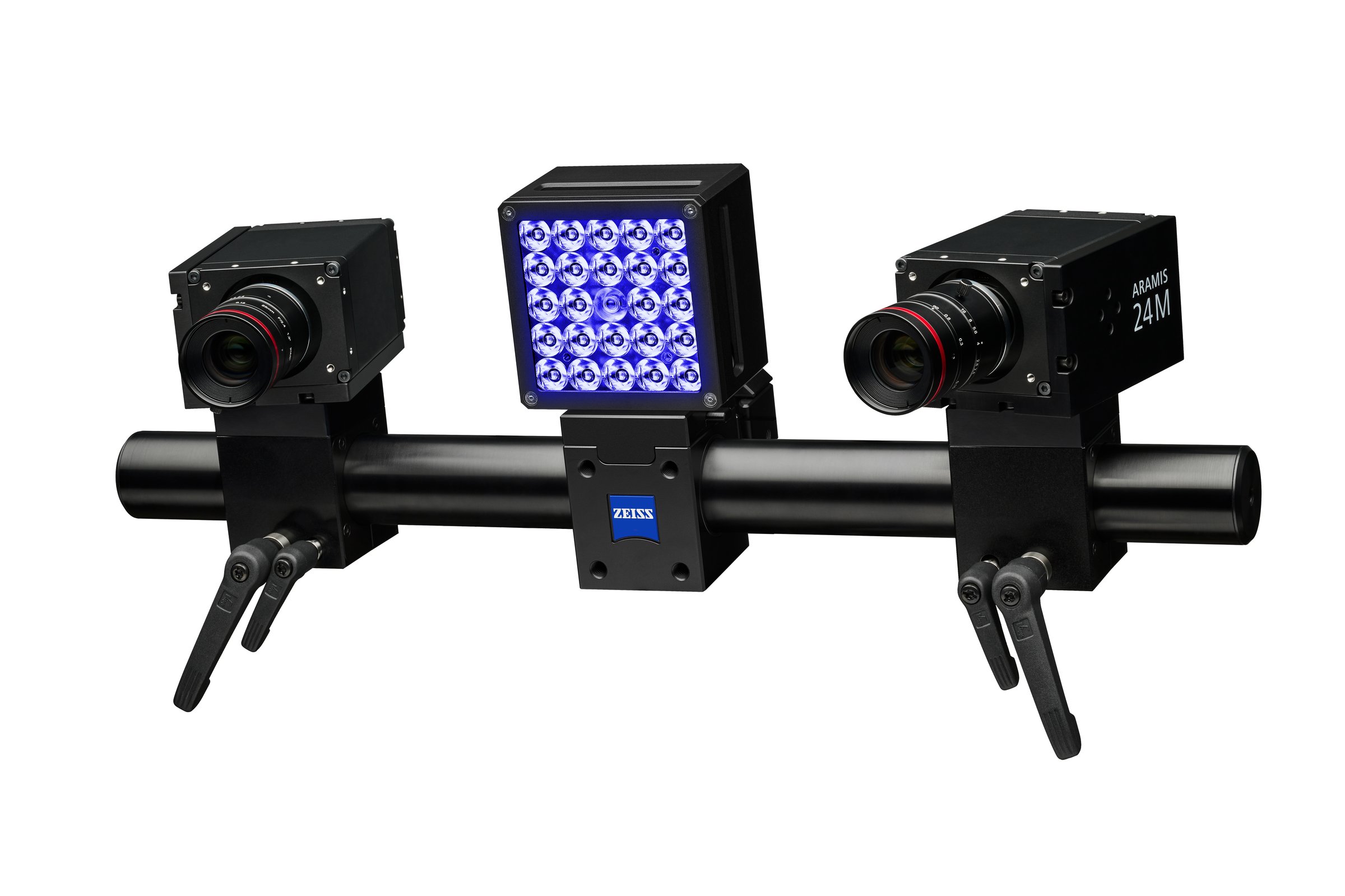
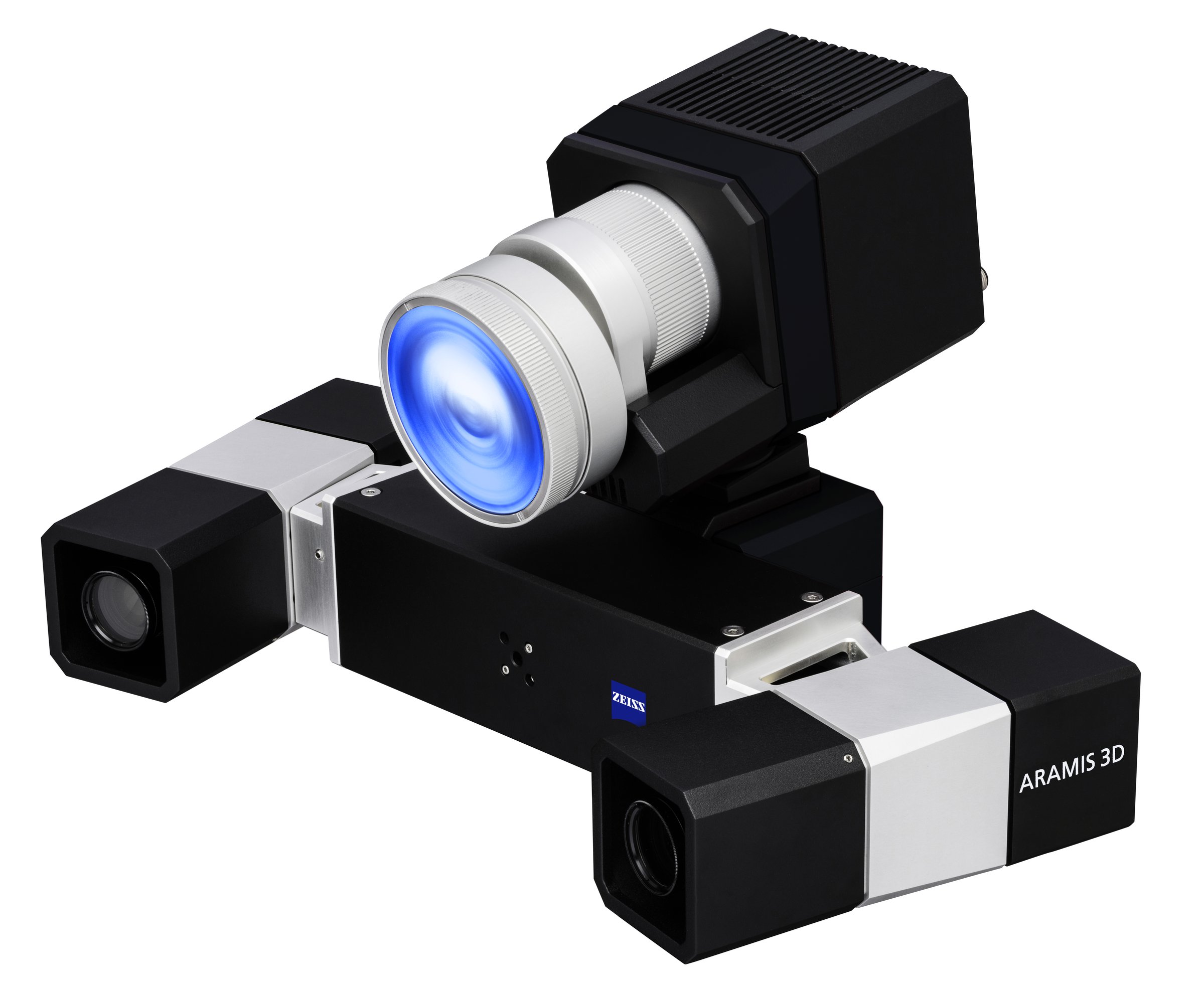
Flagship 3D DIC System
ARAMIS Adjustable 12M
Full-field strain and displacement measurement for components and structures. Scales from coupon to full-scale testing.
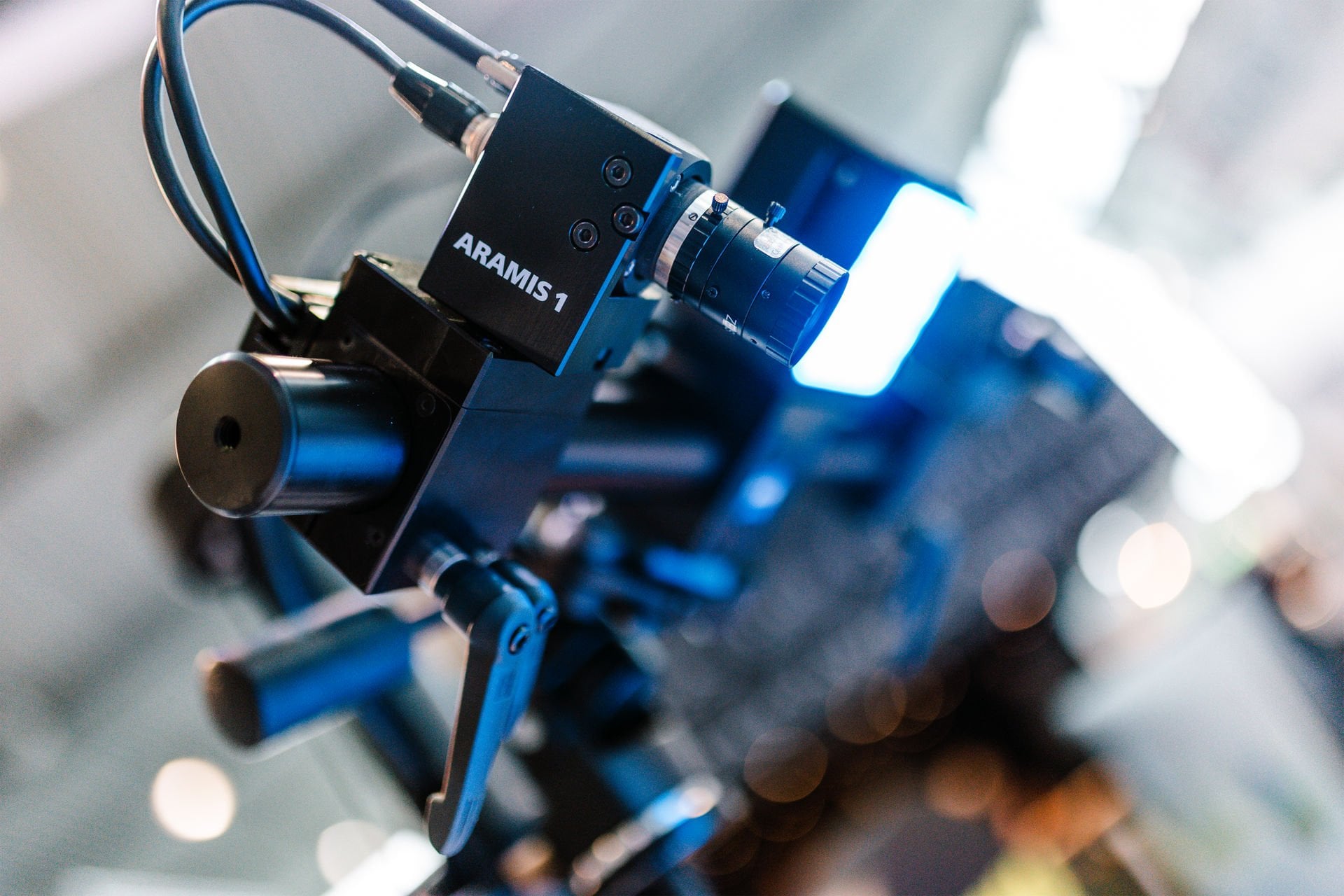
Entry-Level 3D Optical Testing
ARAMIS 1
Compact single-sensor DIC for standardized material testing. Tensile, compression, shear, and bend tests.
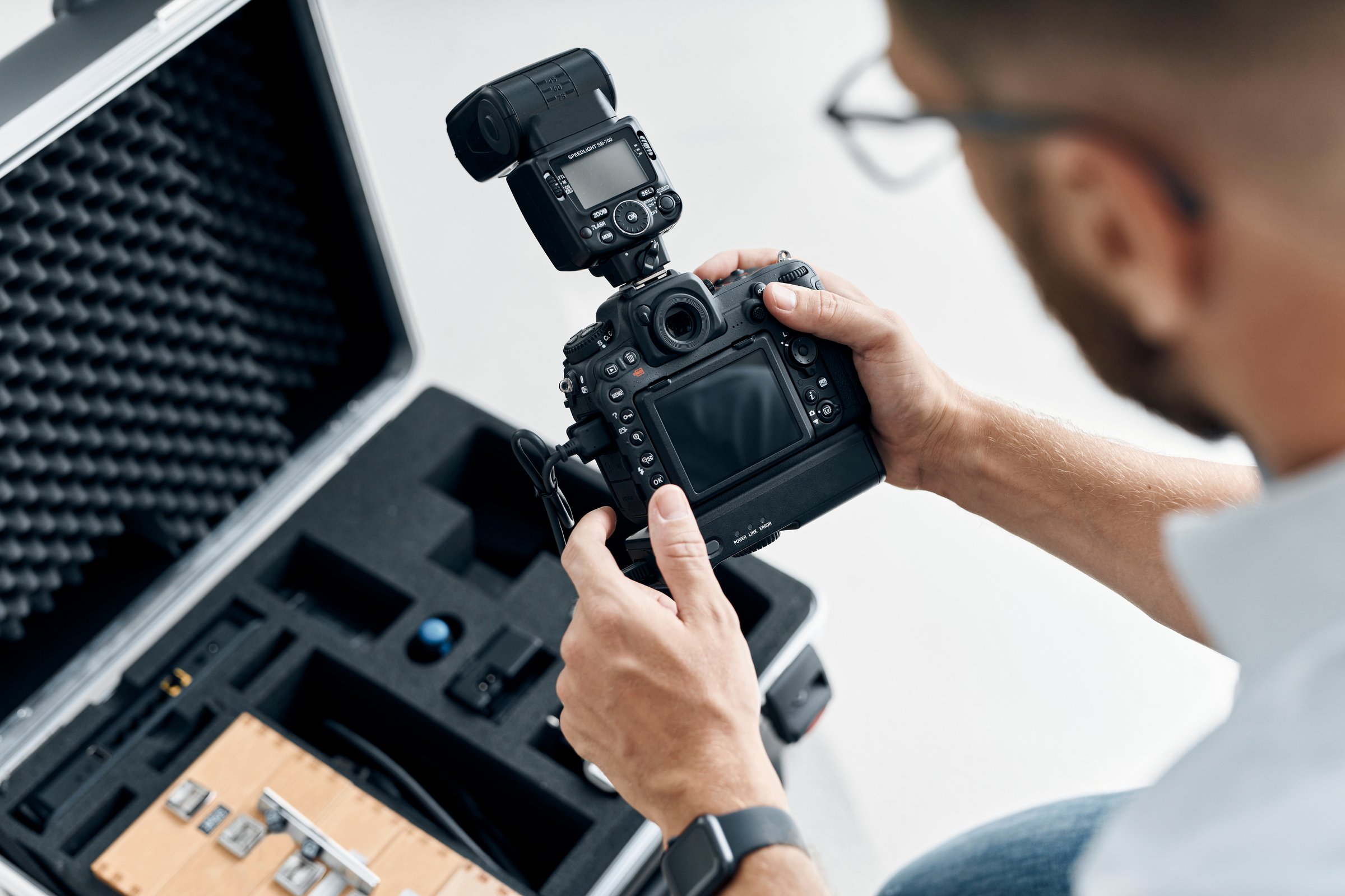
Optical Forming Analysis
ARGUS Formability
Full-field forming analysis for sheet metal draw-in, thinning, and formability evaluation per FLC standards.
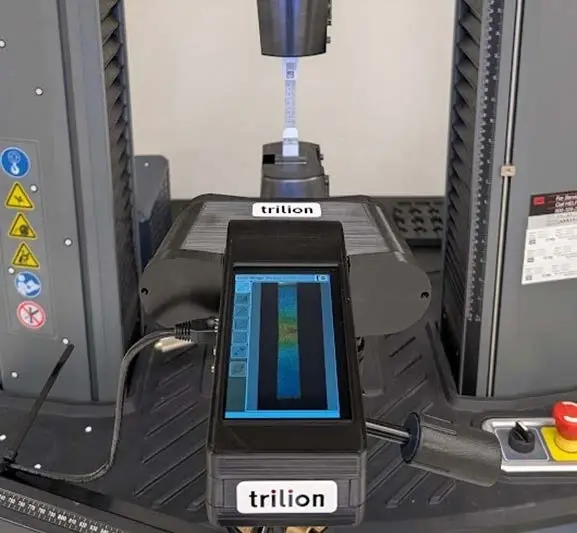
Non-Contact Video Extensometer
XiGage 3D Extensometer
Replace clip-on extensometers with non-contact video strain measurement. ISO 9513 verified.
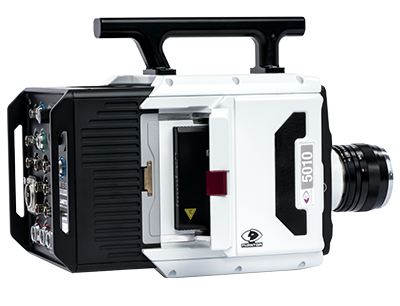
Market Leader in Ultra High-Speed
Phantom TMX Series
The fastest Phantom cameras ever built. Up to 1.75 million fps at reduced resolution, 76 Gpx/s throughput, and BSI sensor sensitivity for ballistics, fluid dynamics, and fracture mechanics.
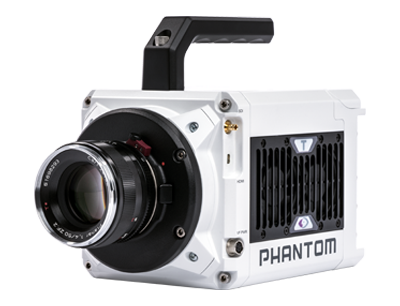
Most Flexible Series
Phantom T-Series
T-Series cameras pair multi-megapixel resolution with thousands of frames per second. Ideal for material testing with DIC, automotive crash analysis, and biomechanics motion capture.
High-speed megapixel imaging
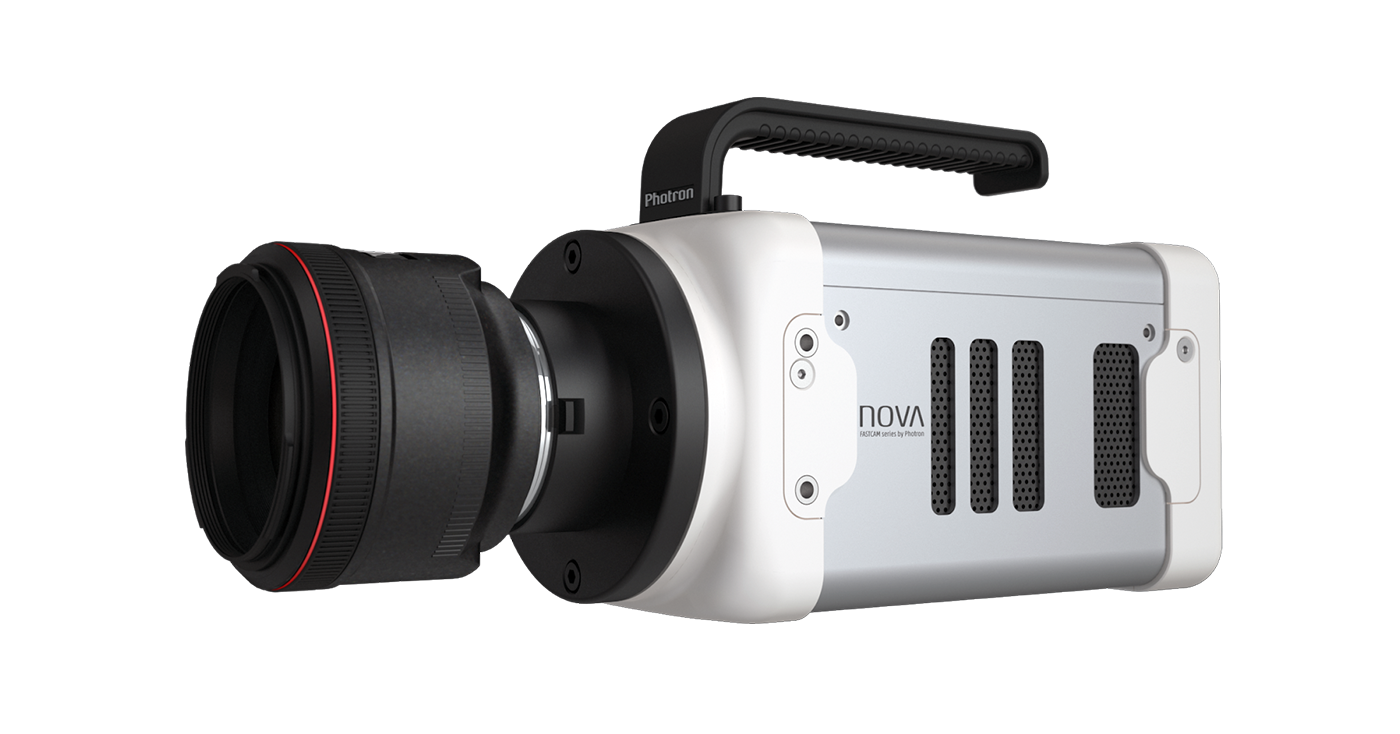
Photron Nova S Series
Nova S cameras deliver megapixel resolution at high frame rates with low-light sensitivity. Built for drop tests, impact analysis, and laboratory R&D imaging.
Leader in 4K Category for High-Speed
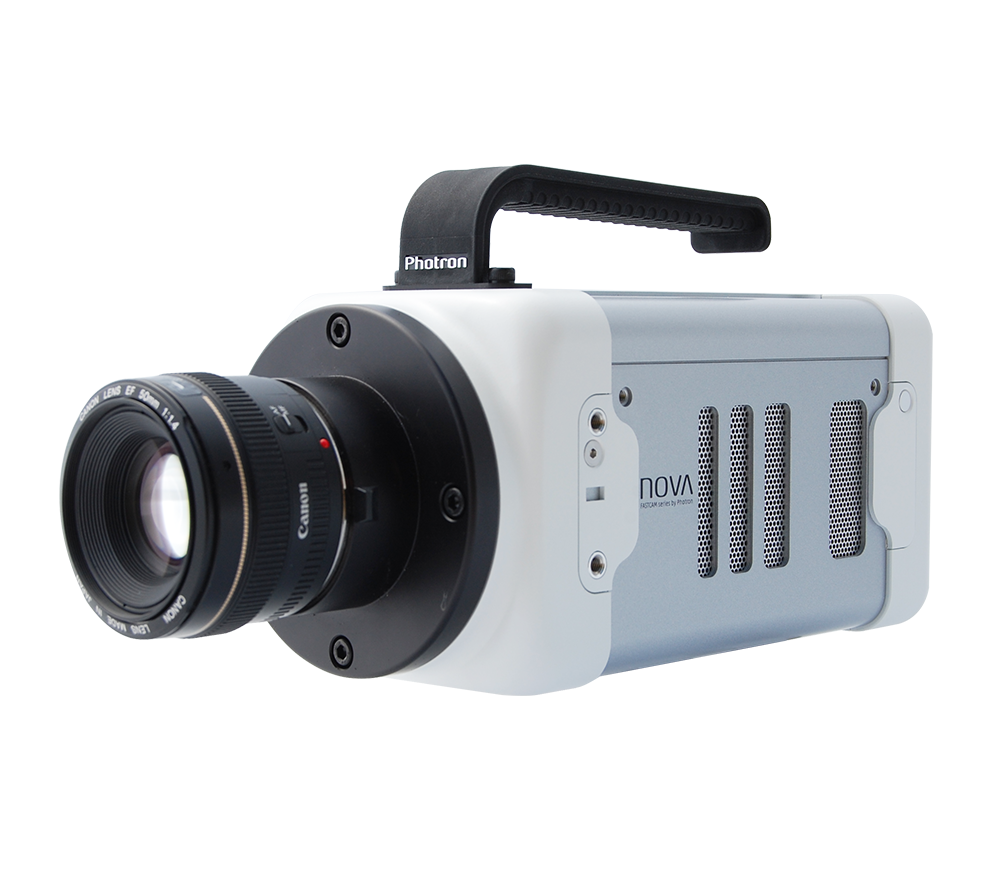
Photron Nova R Series
Nova R cameras combine 4K resolution with high frame rates for slow-motion capture where you cannot afford to lose detail. Common picks for film production reference, large-area material testing, and broadcast slow-mo.
Ultra high-speed thermal imaging
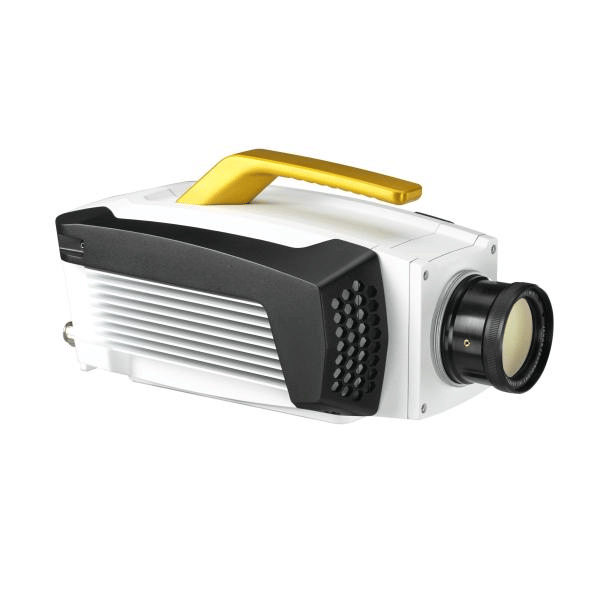
Telops M3k
M3k captures thermal events at up to 90,000 fps in subwindow mode, resolving microsecond-scale temperature transients. Used for failure analysis, material thermal response, and friction studies.
Cooled MWIR thermal imaging platform
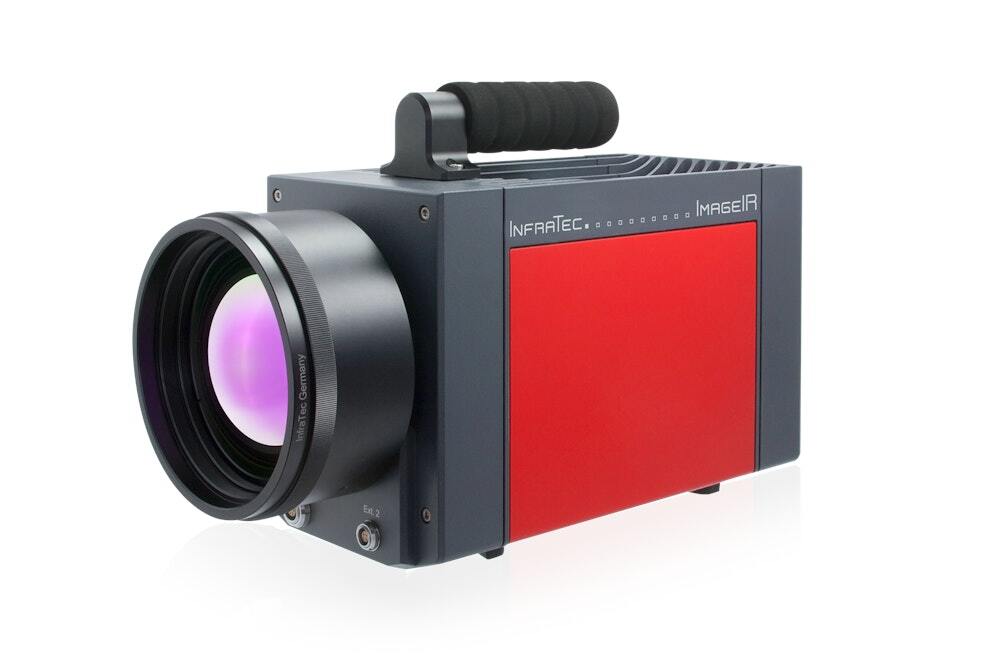
InfraTec ImageIR Series
Modular cooled-detector platform from InfraTec covering 320 x 256 to 1280 x 1024 sensor formats. Calibrated for quantitative thermography in R&D, NDT, and process monitoring.
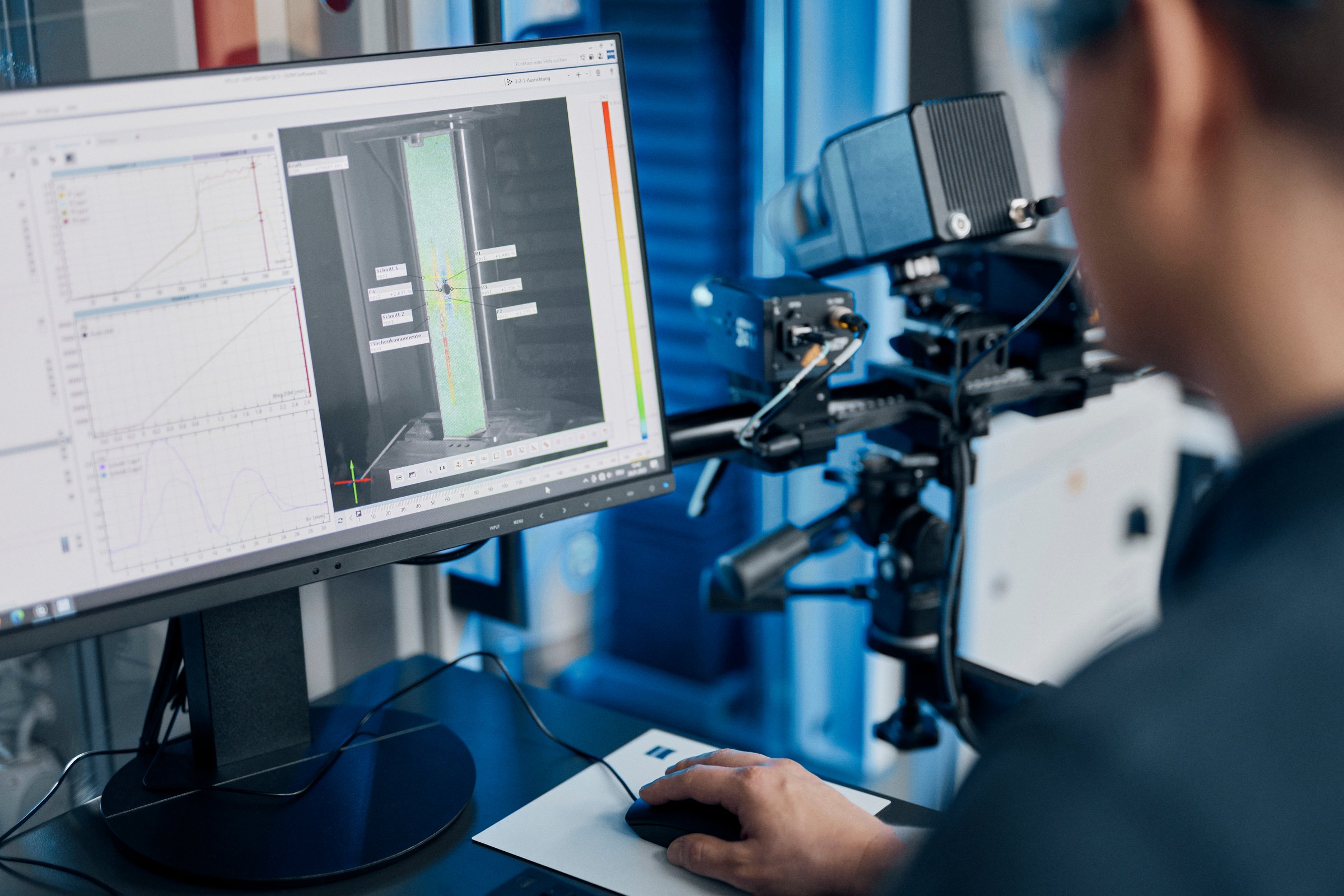
Full-field DIC strain and motion analysis
ZEISS CORRELATE
ZEISS CORRELATE is the digital image correlation environment in the ZEISS Quality Suite. Run 2D and 3D DIC for full-field strain, displacement, motion tracking, and FEA correlation. Available in a free tier for evaluation and 30-day trials, plus a Professional tier that adds advanced workflows, certified reporting, and FEA pairing.
Material property calculation and standardized data exchange
t.Mat
Compute material properties (yield, modulus, Poisson ratio) directly from DIC stress-strain data and export to standard FEA material card formats. Removes manual post-processing across tensile, compression, and shear coupon programs.
NIST-traceable certification for optical measurement systems
t.Cert
Verify ARAMIS and CORRELATE system accuracy against a NIST-traceable t.Check gauge block with automated pass and fail reporting. Required for ISO 9513 and audit-grade testing programs.
Laser speckle and marker etching for DIC alignment
t.Etch
Apply repeatable speckle patterns and coded markers (QR, ArUco) to specimens via laser etching. Improves DIC correlation quality and adds per-specimen traceability without disposable sprays or stickers.
Thermal chamber automation with synchronized DIC capture
t.Thermal
Drive environmental chamber heat, cool, and soak profiles while synchronizing camera acquisitions. Enables temperature-controlled DIC and digital scanning programs without operator babysitting.
.png)
Physical Simulation Systems for Materials Research and Manufacturing
Gleeble Thermo-Mechanical Simulation System
Gleeble's line of thermo-mechanical simulators purpose-built to address the most demanding challenges in materials testing. Whether you're developing next-generation alloys, optimizing manufacturing processes, or validating material performance under extreme conditions, Gleeble's physical simulation systems deliver the precision, repeatability, and control that materials scientists and engineers demand.
Industrial CT scanner for non-destructive metrology
ZEISS METROTOM
ZEISS METROTOM is the industrial computed-tomography platform in the ZEISS Quality Suite ecosystem. Captures full internal and external geometry from a single scan, ideal for porosity analysis, internal defect detection, dimensional inspection of additively-manufactured parts, and reverse engineering of assemblies that optical or tactile tools cannot reach.