
How it works
Every photograph is a set of directions
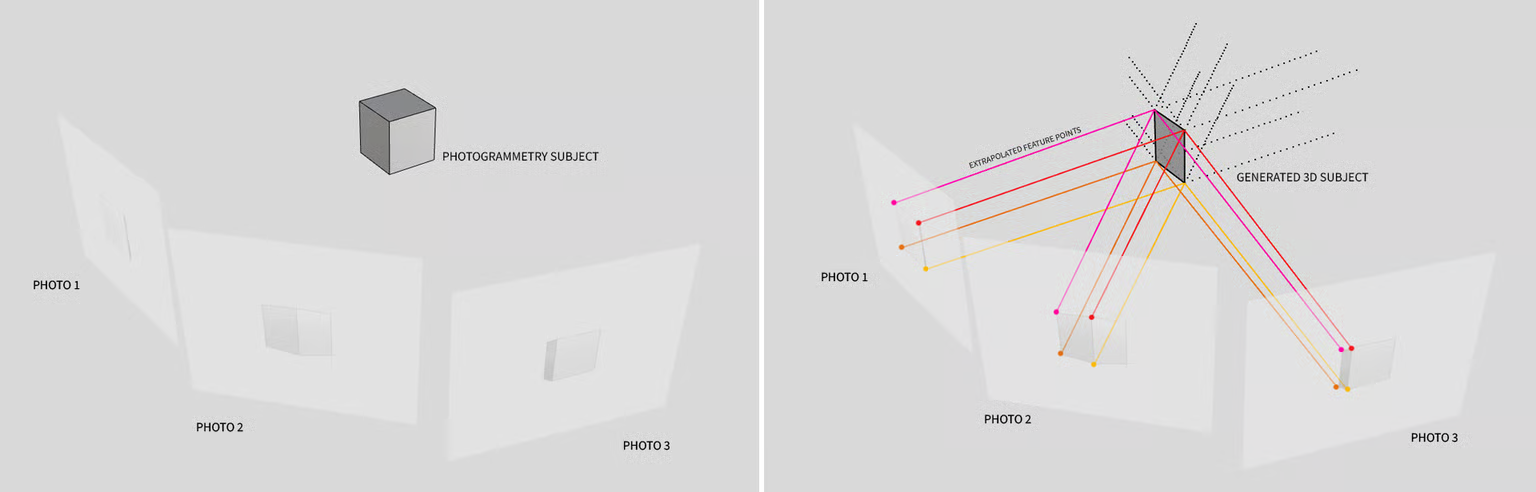
A single photograph tells you the direction from the camera to each feature, but not how far away it is. Photograph the same feature from a second position and the two directions intersect at one point in space. That intersection is the measurement.
Repeat that across dozens of photographs and thousands of features, and the result is a dense set of 3D coordinates with known accuracy.
How it works
The photographs also solve for where the camera was
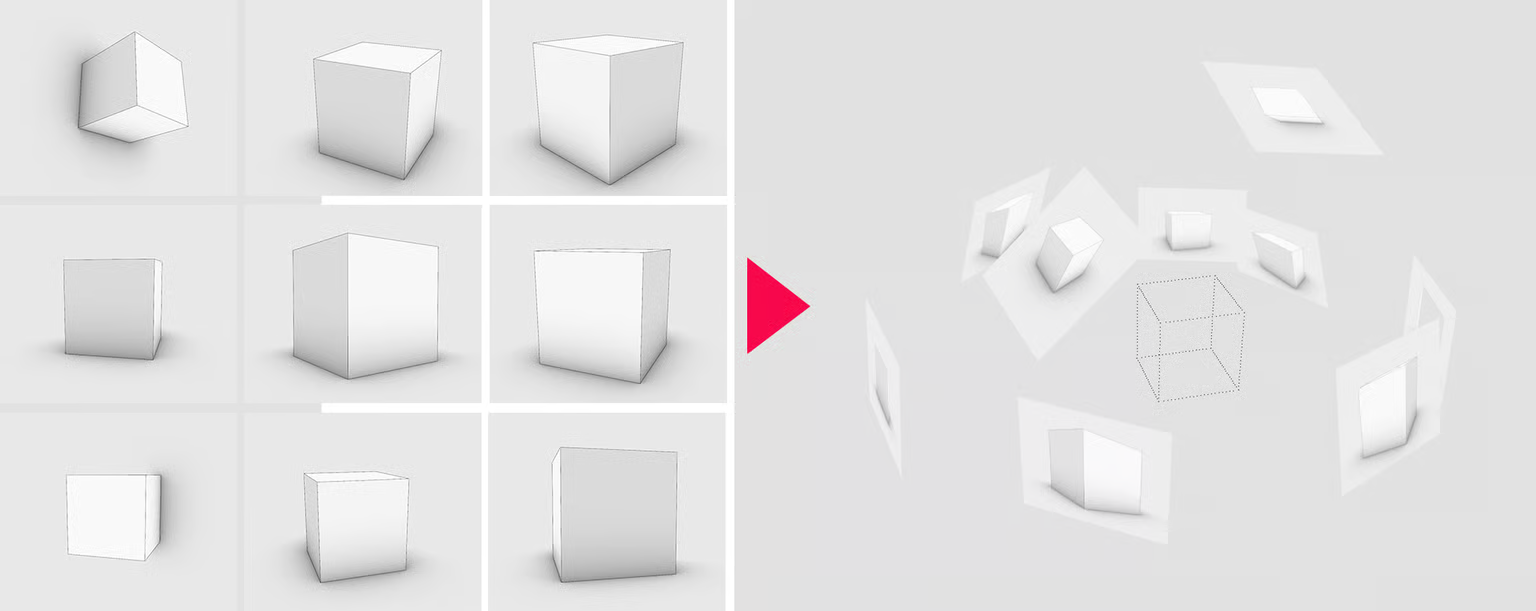
The camera positions are not measured in advance. They are solved from the overlap between images: shared features seen from many angles constrain where each photograph must have been taken.
This is why coverage matters more than any single shot. Enough overlapping views, taken from varied positions, and the whole network becomes solvable.
How it works
Bundle adjustment solves everything at once
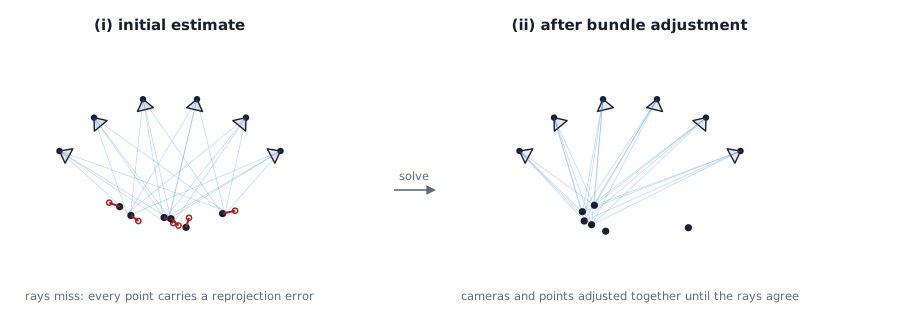
The final step refines the camera positions and the 3D point positions together, rather than one after the other. The solver adjusts the whole network until the rays from every camera agree on where each point sits, minimizing the leftover error across all of them simultaneously.
That joint solution is what turns a set of snapshots into traceable measurement, and it is where the accuracy figure on a photogrammetry report actually comes from. Scale bars and coded targets anchor the result to real units.
Photogrammetry systems
The systems Trilion deploys and supports in this category
Optical Forming Analysis
ARGUS Formability
Full-field forming analysis for sheet metal draw-in, thinning, and formability evaluation per FLC standards.
Portable Photogrammetry
TRITOP
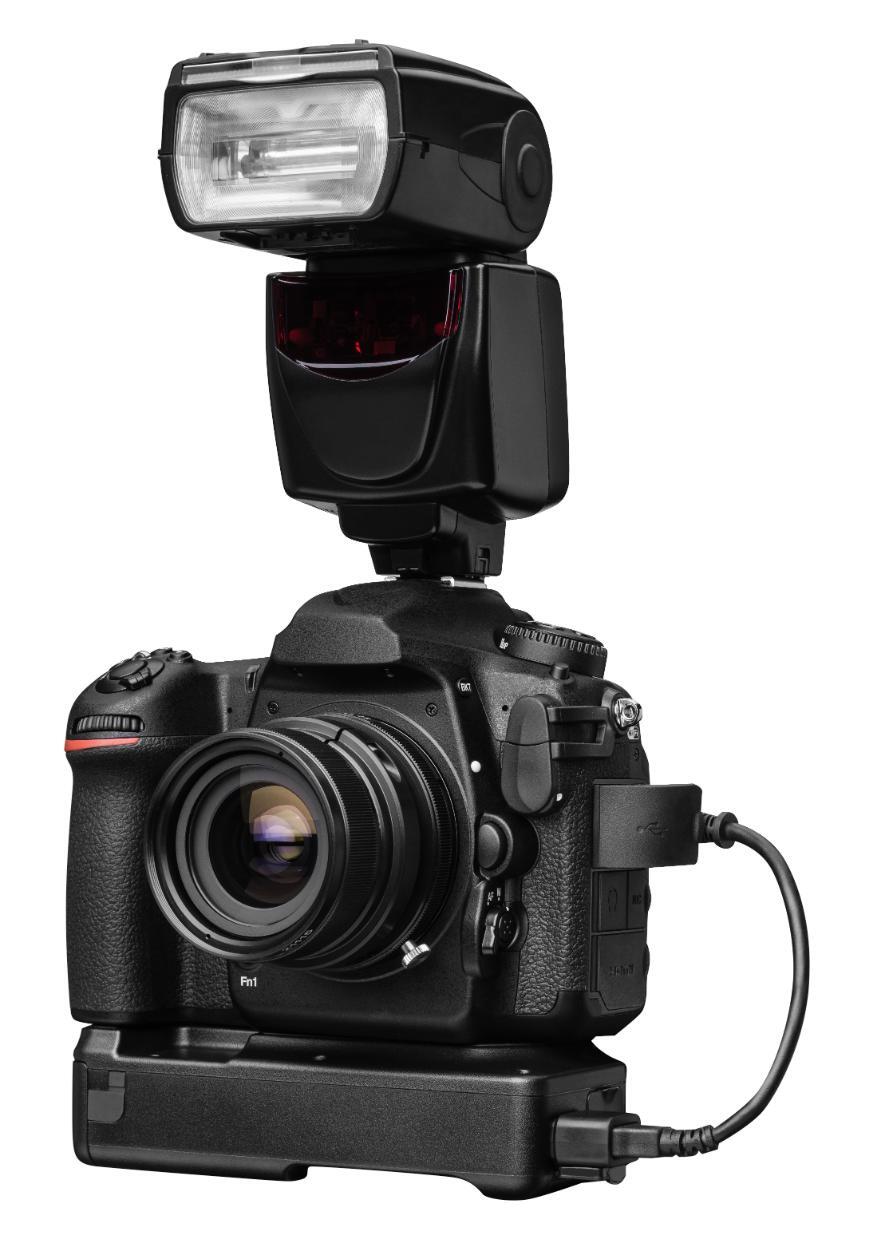
Photogrammetric measurement of large structures up to 20+ meters. VDI/VDE 2634 compliant.
Non-Contact Video Extensometer
XiGage 3D Extensometer
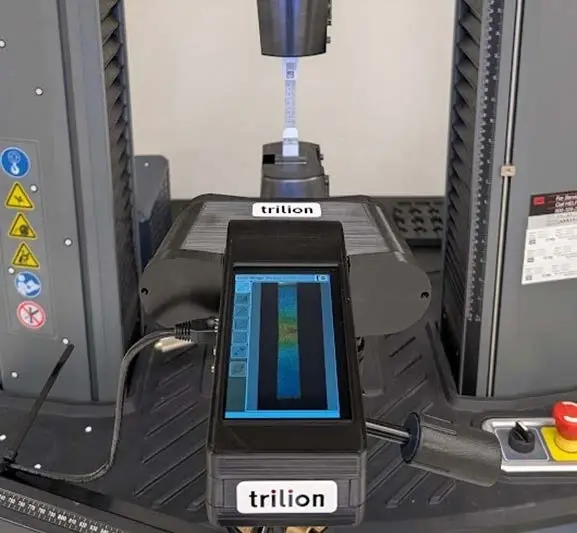
Replace clip-on extensometers with non-contact video strain measurement. ISO 9513 verified.