
Cameras
Phantom, for the fastest events
The Phantom TMX 7510 records 1280 x 800 at 76,000 frames per second and scales past 700,000 frames per second at reduced resolution, which is the range ballistics, blast and fracture work needs. The T4040 trades some of that speed for a 4.2 megapixel sensor, keeping enough spatial detail for full-field DIC across a large field of view.
The VEO 1310 is the portable option for field and range work, and the KT840 is built to stay installed inside a machine or test cell.
Cameras
Photron, frame rate against light
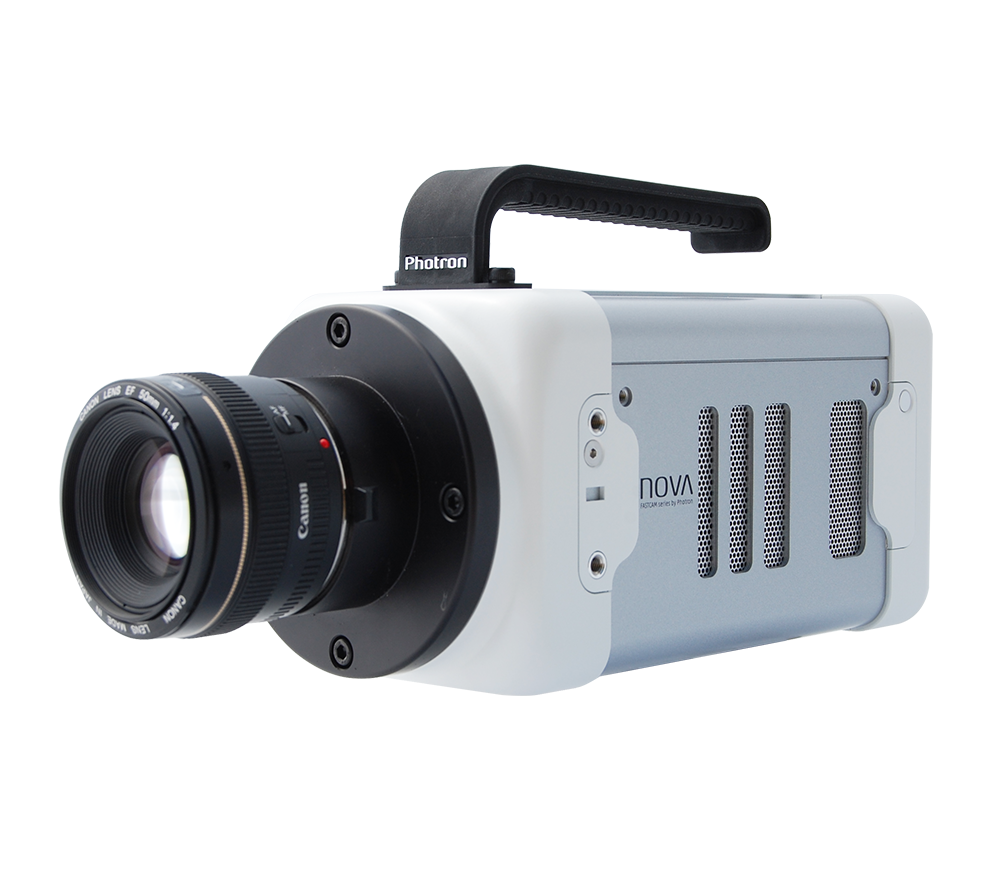
The Photron Nova S and Nova R series balance frame rate against light sensitivity, which suits drop towers, vibration and longer events where lighting is constrained rather than unlimited.
Sensitivity matters more than headline frame rate whenever exposure time is short and the scene cannot be flooded with light. Pair either with GS Vitec QX lighting and the G8X controller.
High-Speed Imaging systems
The cameras Trilion deploys and supports in this category
Market Leader in Ultra High-Speed
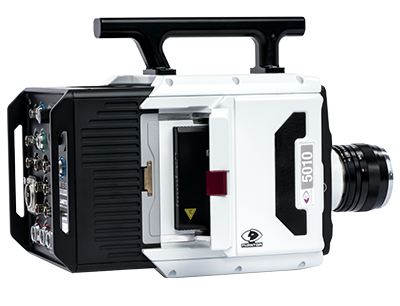
Phantom TMX Series
The fastest Phantom cameras ever built. Up to 1.75 million fps at reduced resolution, 76 Gpx/s throughput, and BSI sensor sensitivity for ballistics, fluid dynamics, and fracture mechanics.
Most Flexible Series
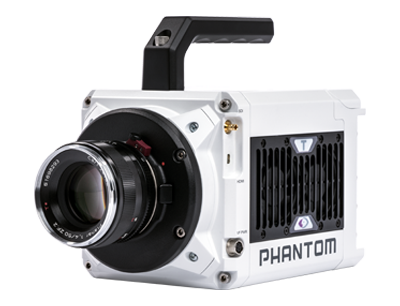
Phantom T-Series
T-Series cameras pair multi-megapixel resolution with thousands of frames per second. Ideal for material testing with DIC, automotive crash analysis, and biomechanics motion capture.
High-speed megapixel imaging
Photron Nova S Series
Nova S cameras deliver megapixel resolution at high frame rates with low-light sensitivity. Built for drop tests, impact analysis, and laboratory R&D imaging.
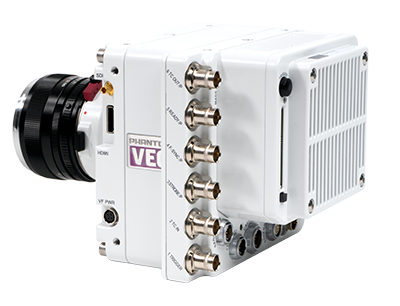
Portable High-Speed Camera
Phantom VEO 1310
Rugged, portable 1.3 megapixel high-speed camera reaching 10,860 fps at full resolution.
Leader in 4K Category for High-Speed
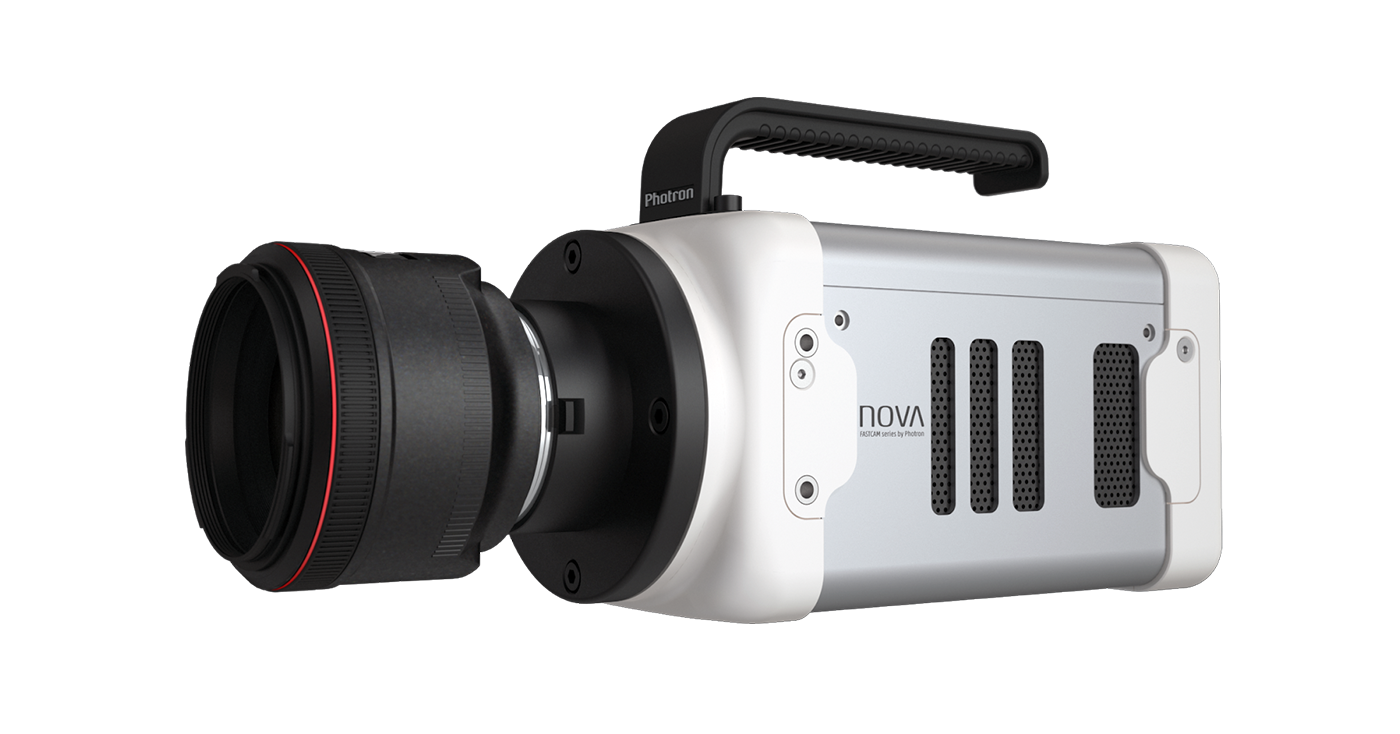
Photron Nova R Series
Nova R cameras combine 4K resolution with high frame rates for slow-motion capture where you cannot afford to lose detail. Common picks for film production reference, large-area material testing, and broadcast slow-mo.
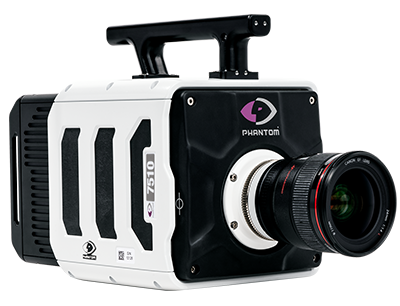
Ultrahigh-Speed Camera
Phantom TMX 7510
Backside-illuminated ultrahigh-speed camera reaching 76,000 fps at 1280 x 800 and up to 744,000 fps reduced.
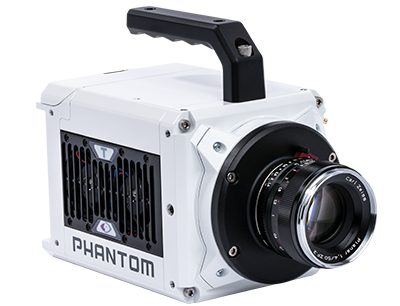
High-Resolution High-Speed Camera
Phantom T4040
4.2 megapixel high-speed camera recording 2560 x 1664 at 9,350 fps, up to 440,000 fps at reduced resolution.
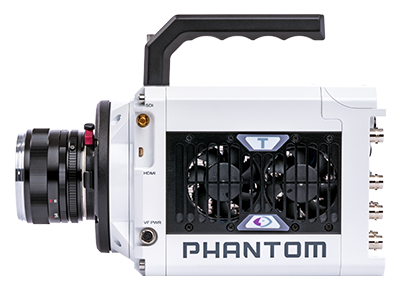
High-Speed Camera
Phantom T3610
1 megapixel high-speed camera recording 1280 x 800 at 38,040 fps, up to 875,000 fps at reduced resolution.
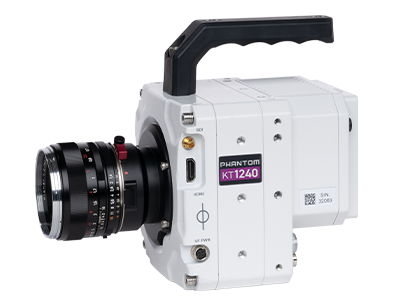
Embedded High-Speed Camera
Phantom KT840
Compact 4.2 megapixel camera for embedded and permanently installed high-speed measurement stations.